I have a fixed pitch Catto prop and no constant speed, so you might ask why I'm installing the MAP pressure sensor anyway.
MAP allows for more accurate power measurement of your engine. Unlike RPM alone, MAP gives a better indication of the engine load.
At the same RMP setting MAP pressure might vary significantly. MAP fills the missing piece of info to estimate the true engine power output more accurately.
RPM can be significantly misleading cruising at altitude due to the thinner air.
Having EGT and fuel flow, MAP allows to lean more precisely and help under of over leaning especially at altitude.
MAP naturally decreases with altitude and is giving a simple and intuitive way to understand density altitude effects on engine performance.
Abnormal MAP readings at given known throttle positions can point to intake leaks , valve issues or air filter obstruction.
In general it's just another parameter to evaluate your engine's health.
The Dynon MAP sensor comes as part of the EMS wiring kit and is the black plastic box that takes two electrictal wires through a weather safe connector and a tygon tube input of 1/4" to receive the air pressure input.
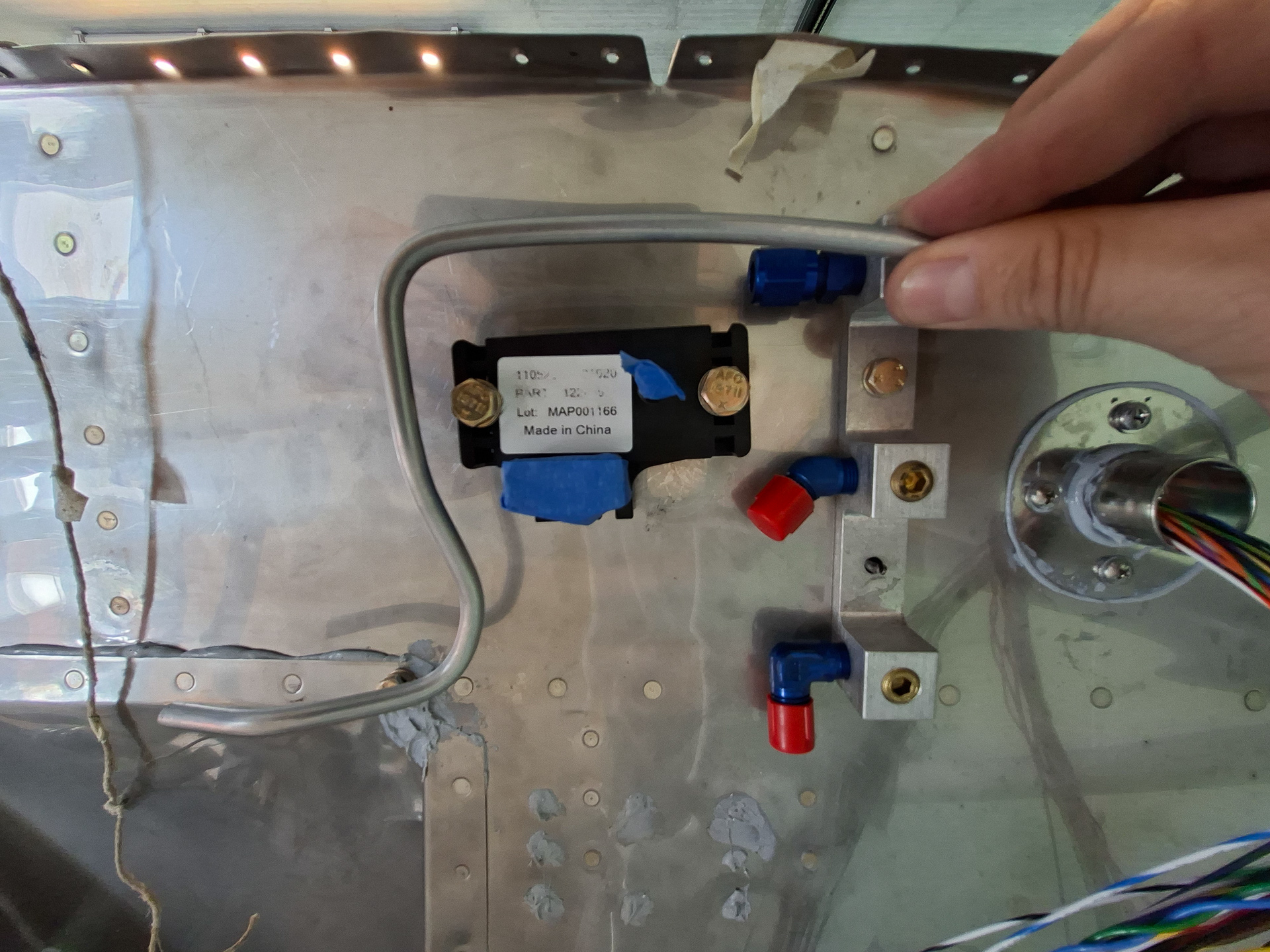
The air is tapped from the cylinder 3 port on the engine. I plan on running a flexible breaded hose from cylinder 4 out of a AN816-4 fitting in the engine. The flexible hose will bring it to the firewall. From the firewall there will be an AN837-4D (Elbow Flared Tube Bulkhead And Universal 450) with AN924 nut with an angle on the firewall to make the transition from the flexible to a fixed aluminum tube line that will lead straight into the transducer manifold top port.
In the transducer port forward opening, I will install an AN840-4D hose fitting to allow the transition to a tygon plastic tube to run into the MAP sensor front port.
If later on, I decide to go with PMags or need MAP for any other gauge or application, I can easily tap of here.
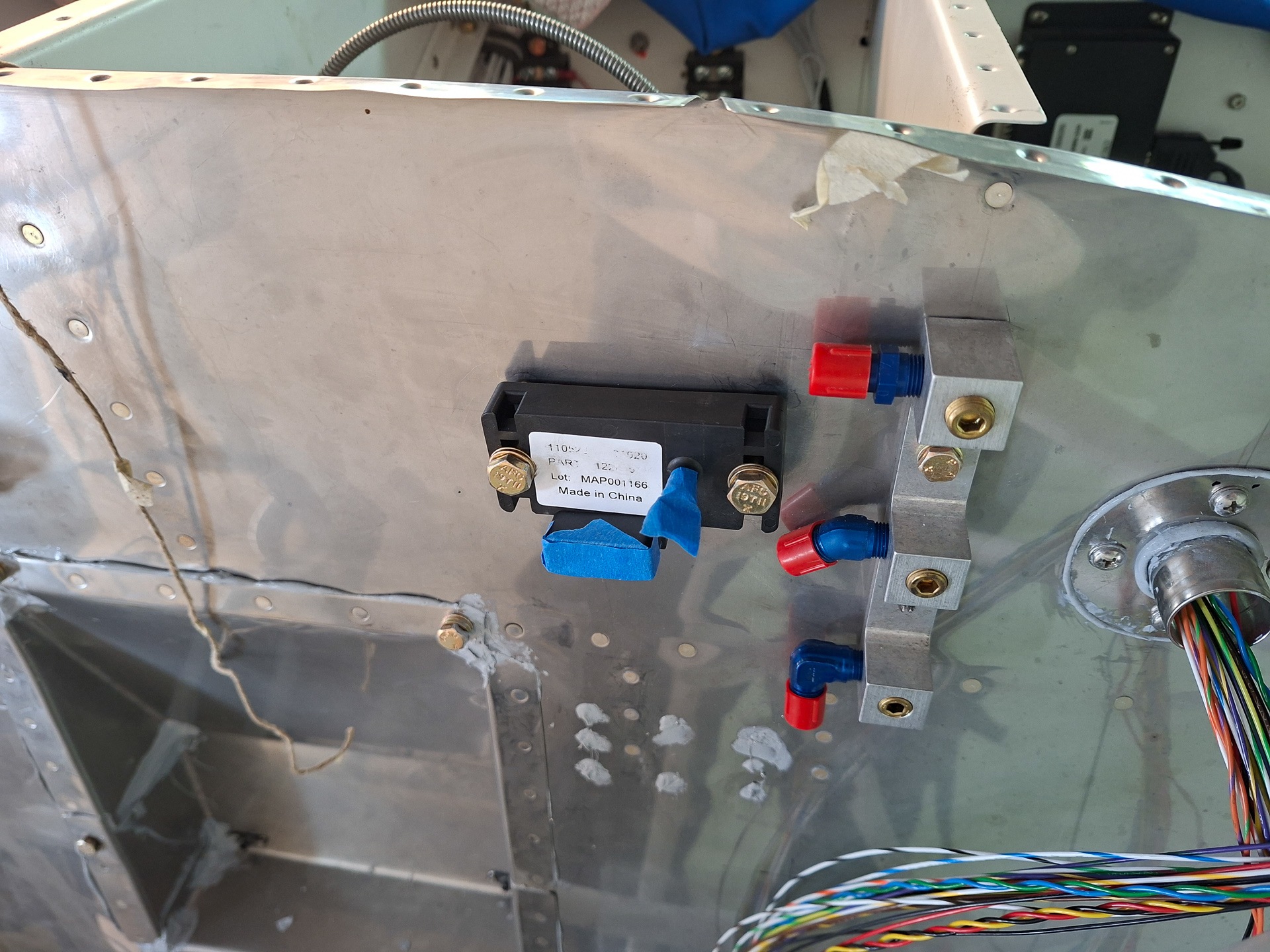
So the best mounting place for me seemed to be close to the transducer block, making sure there's still space for the oil pressure line fitting but keeping the tygon pressure tube as short as possible.
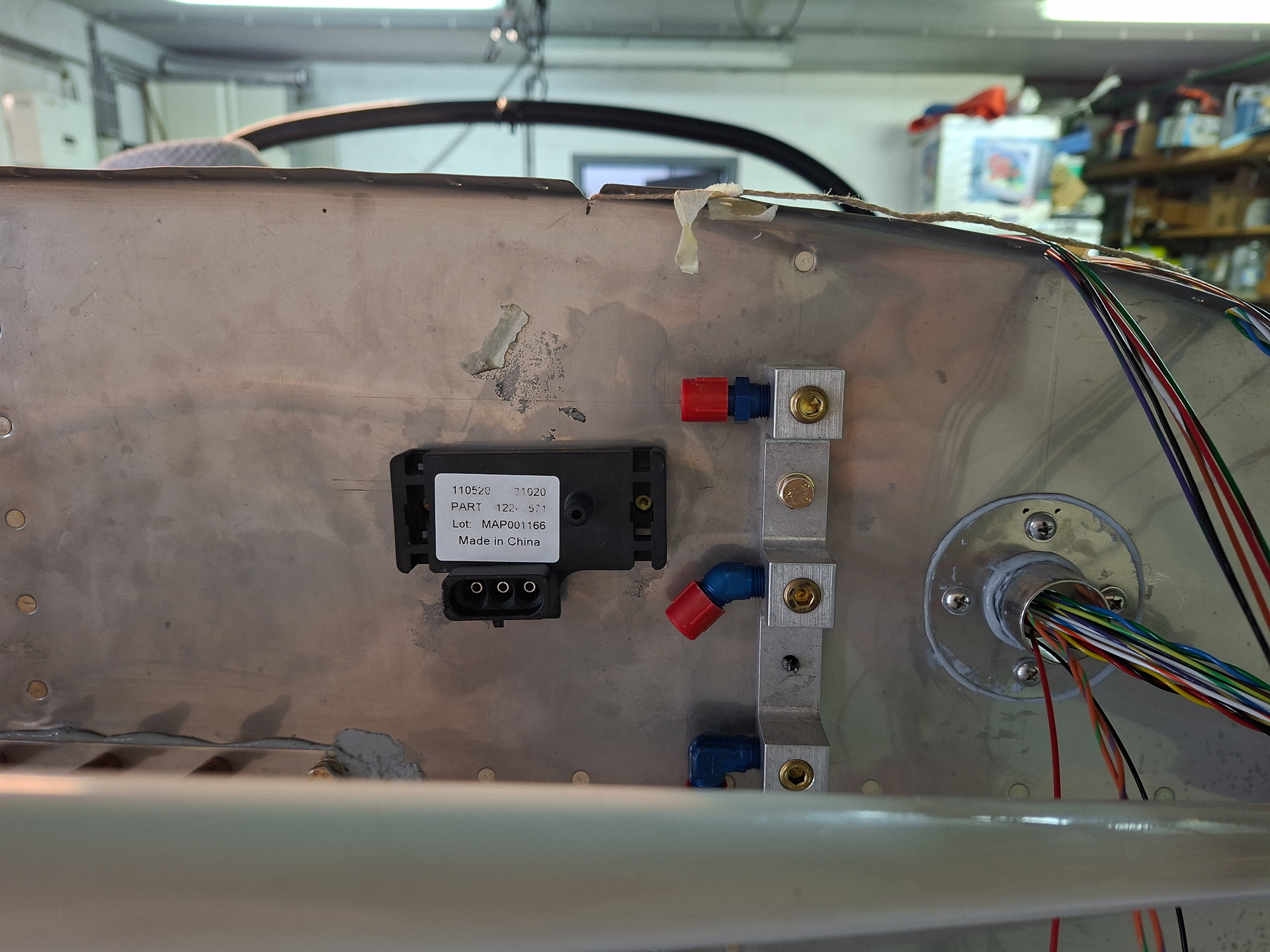
Drilled the holes for 2 AN4 bolts to hold the MAP sensor. This is way overkill as it's just a plastic box with no weight but the holes were predrilled in the plastic.
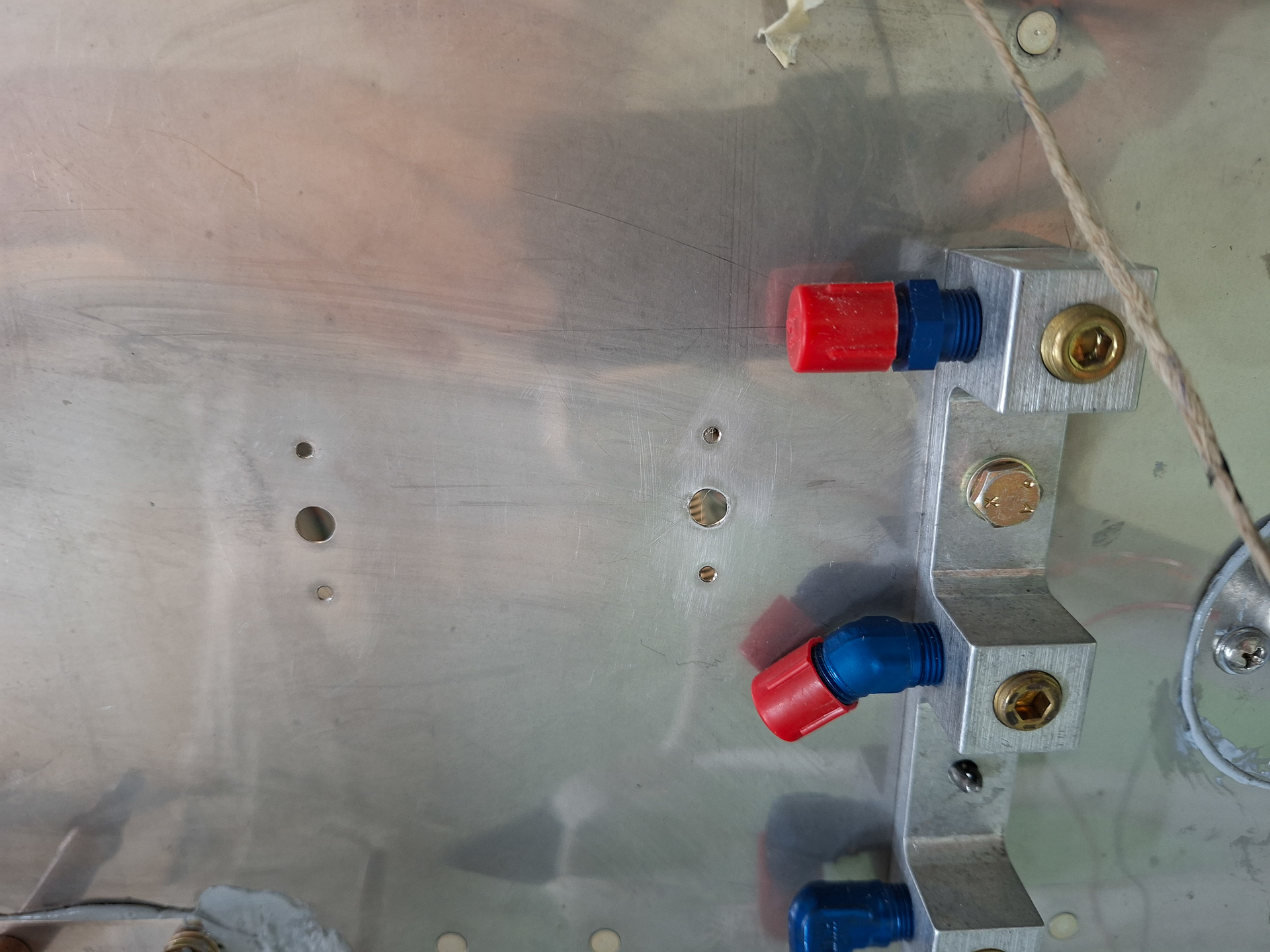
Installed the nutplates and torqued down the AN4 bolt in the K1000-4 nutplates. I fastened them by hand as the case is plastic and you shouldn't over thighten it.
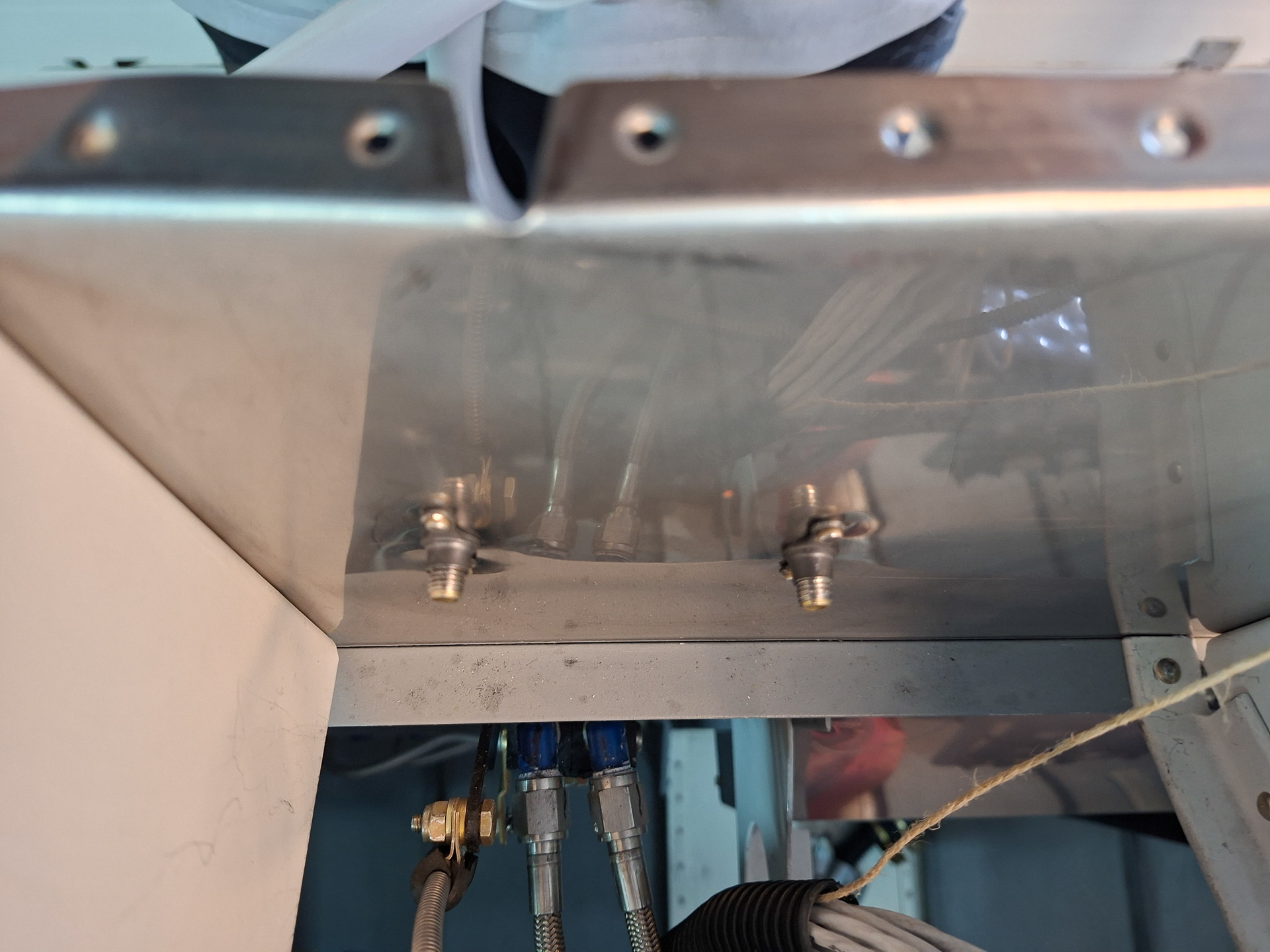
Look from the front in the attached location with the AN fittings installed in the transducer block.
I had some bend aluminum tube in my scrap so i gave it a little test to see how this would run to the other side along the firewall. There will be 2 additional adel clamps where the oil pressure line is attached (top of the recess) which will hold this aluminum tubing.